Why AI is being discussed in dentistry
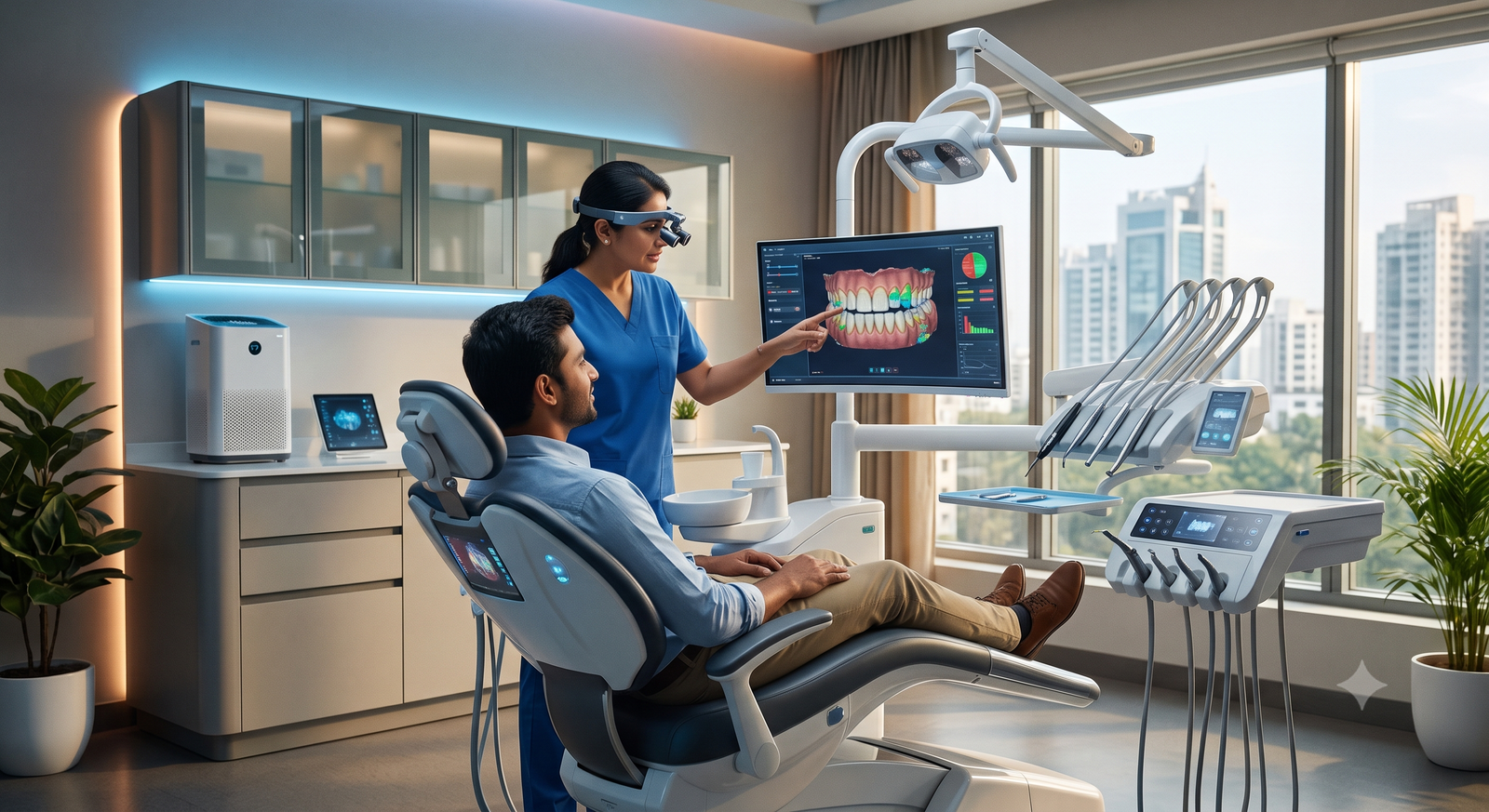
Artificial intelligence can identify patterns in digital information such as dental radiographs, photographs and clinical records. Research published for 2026 describes applications in image analysis, screening, treatment planning and prognosis. The important phrase is decision support: AI can highlight information for a trained dentist, but it does not replace examination, patient history or professional responsibility.
Where AI may support dental care
Drawing attention to suspicious areas on dental X-rays
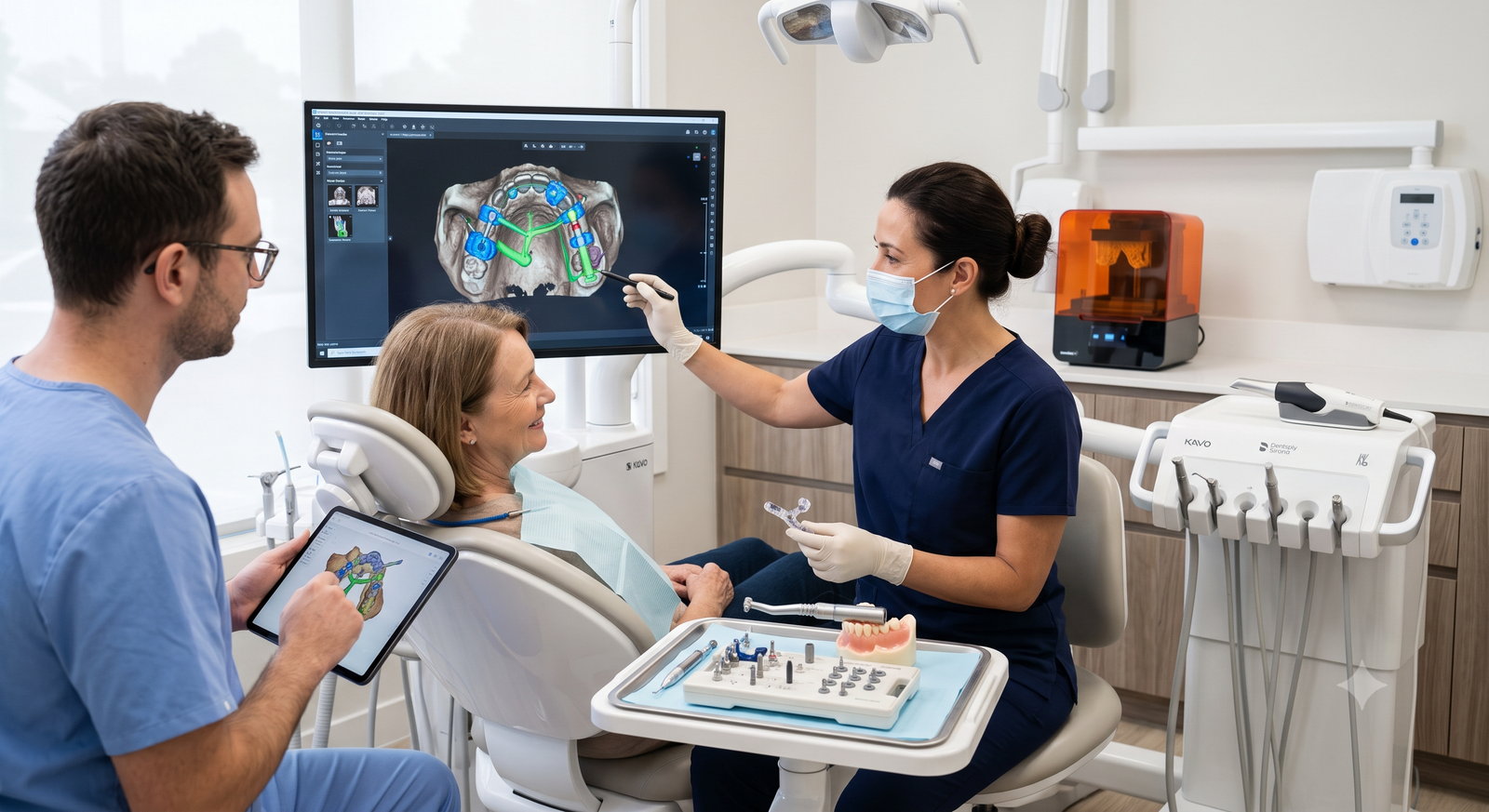
Supporting measurements used in orthodontic or implant planning
Comparing images over time to monitor change
Helping practices organise appointments and patient communication
AI output can be incomplete or wrong because performance depends on training data, image quality and the patient population represented. A dentist must decide whether a finding is clinically meaningful.
Questions patients should ask
Ask whether an AI tool is being used, what information it analyses, how personal data is protected and whether the final decision is made by the treating clinician. Transparent communication is more important than impressive technology labels.
Modern dentistry in Bijnor
At Amber Dental Care, clinical decisions are based on direct examination, appropriate dental imaging and discussion with Dr. Parvez Alam Khan. Technology should make care clearer and more precise while keeping diagnosis and consent human-centred.
Key takeaway
In 2026, responsible AI can assist dental professionals, but it cannot examine your mouth, understand every medical factor or replace a dentist. Patients benefit most when technology, evidence and clinical experience are used together.